Practical Guidance on Movement and Wellness
Evidence-based, practical advice on posture, exercise, movement practices, and physical wellness applicable to everyday life.
Understanding and Maintaining Proper Posture
Posture is the foundation of efficient movement and comfort. Proper alignment reduces strain on joints and muscles while supporting long-term physical wellness.
Key Postural Principles
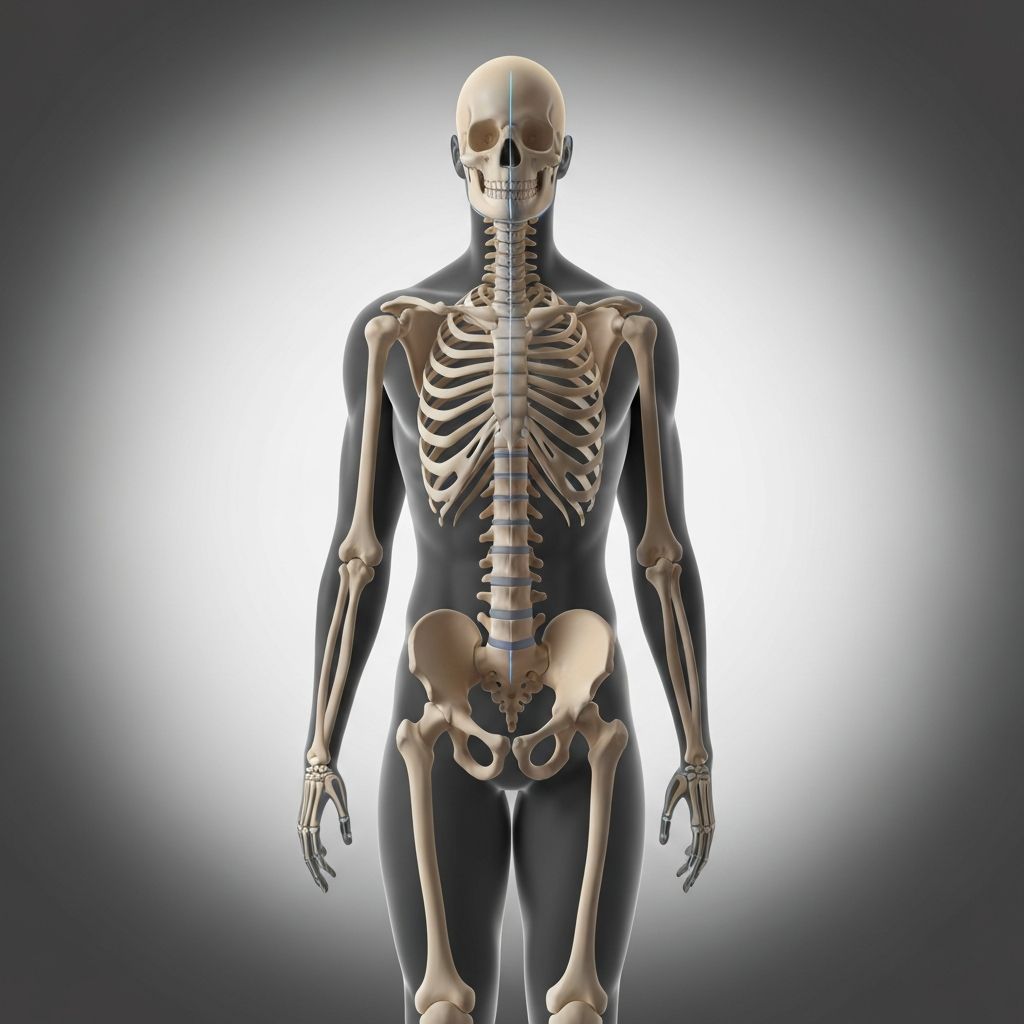
Efficient posture aligns the body's segments (head, shoulders, spine, pelvis, legs) vertically, minimizing unnecessary muscular effort and stress on joints.
- Neutral Spine: The spine's natural curves should be maintained—not flattened or exaggerated
- Shoulder Position: Shoulders should sit directly over the ribcage, not rounded forward or pulled back excessively
- Core Engagement: Gentle engagement of abdominal muscles supports spinal stability without rigidity
- Pelvic Alignment: The pelvis should sit level, supporting proper spinal alignment from below
- Head Position: The head should balance naturally atop the spine, not jutting forward or pulled back
Static Posture: Sitting, Standing, and Working
Most of us spend significant time in static positions. Maintaining proper alignment during these times is crucial for comfort and long-term wellness.
Seated Positioning
When sitting, feet should rest flat on floor (or footrest), knees at 90 degrees, hips slightly higher than knees, and back supported with natural spinal curves maintained.
Standing Alignment
Standing posture distributes weight evenly across both feet, with knees slightly soft (not locked), and shoulders relaxed. Ears, shoulders, hips, knees, and ankles should align vertically.
Workstation Ergonomics
Computer monitors should be at eye level, elbows at 90 degrees, keyboard and mouse close to body. Regular position changes and movement breaks are essential.
Movement and Exercise Principles
Purposeful, consistent movement provides numerous benefits for physical comfort and overall wellness. Understanding basic exercise principles supports effective practice.
Types of Beneficial Movement
- Flexibility Work: Gentle stretching and mobility exercises maintain and improve joint range of motion
- Strength Training: Resistance exercises build muscular capacity, supporting stability and function
- Cardiovascular Activity: Sustained movement elevates heart rate, supporting circulatory and respiratory health
- Balance Training: Exercises that challenge stability improve proprioceptive awareness and reduce fall risk
- Functional Movement: Practicing movement patterns relevant to daily life (squatting, reaching, stepping)
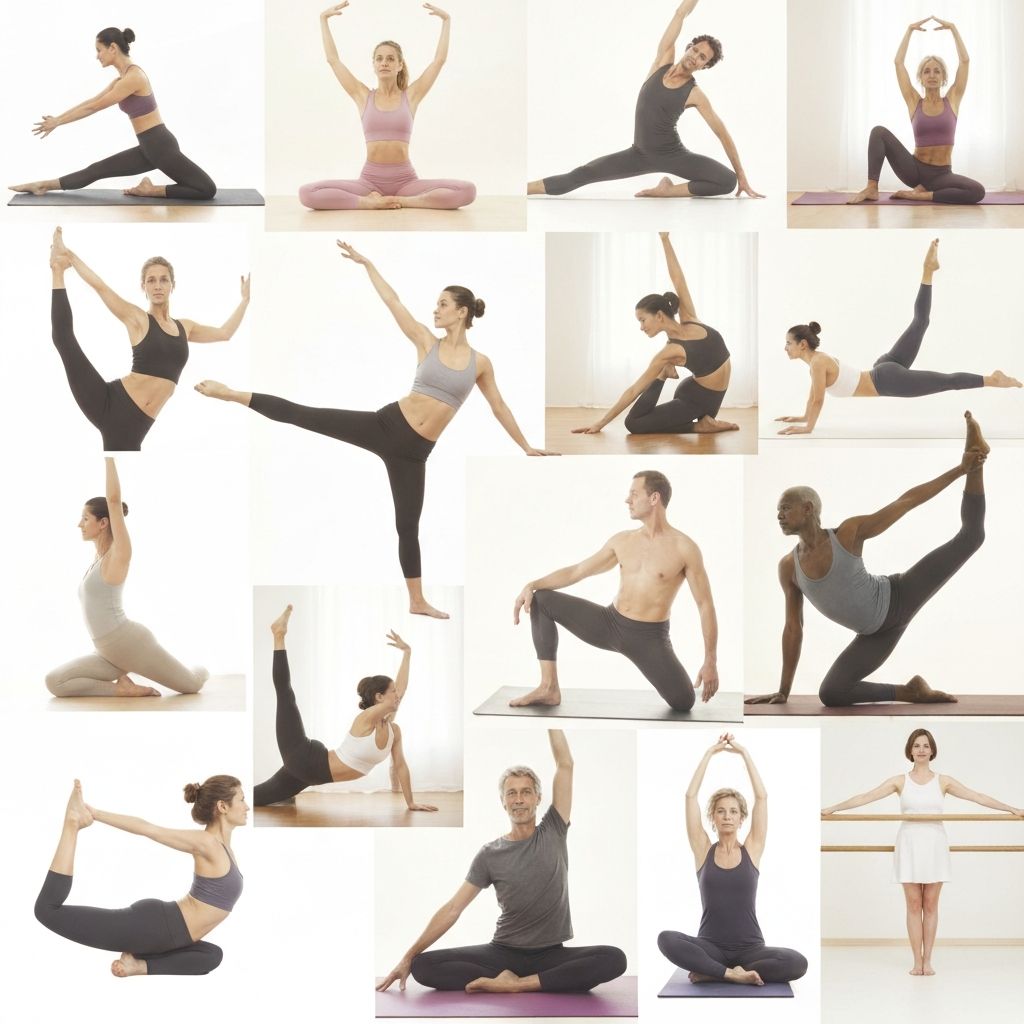
- Mindful Movement: Practices like tai chi or yoga emphasizing awareness and control
Consistency, Progression, and Personalization
Consistency Over Intensity
Regular, moderate movement is more beneficial than occasional intense efforts. Aim for sustainable practices that can continue long-term.
Progressive Overload
Gradually increase challenge—duration, intensity, or complexity—as capacity improves. This ensures continued progress and prevents adaptation plateaus.
Individual Adaptation
Exercise capacity varies greatly. Start where you are, progress at your pace, and modify movements to match current ability and comfort.
Recovery and Rest
Adequate rest between sessions allows physical adaptation. Balance activity with proper recovery for sustainable practice.
Listening to Your Body
Distinguish between productive challenge and harmful pain. Adjust intensity and modifications based on how your body responds.
Variety and Interest
Varying movement practices prevents boredom and overuse of specific tissues, while engaging different systems and maintaining interest.
Integrating Movement into Daily Life
Beyond structured exercise, abundant opportunities exist for beneficial movement throughout the day.
Everyday Movement Opportunities
- Breaking Static Time: Change position and move for at least 2-3 minutes every hour during prolonged sitting
- Active Transportation: Walking or cycling for trips when feasible increases daily movement
- Functional Activity: Gardening, cleaning, playing with children, or other purposeful activity all contribute to movement volume
- Stair Use: Using stairs instead of elevators or escalators provides cardiovascular and strength benefits
- Stretching Breaks: Brief stretching during work days counteracts static positioning
- Standing Tasks: Performing some work standing instead of sitting increases energy expenditure and posture engagement

Developing and Maintaining Flexibility
Flexibility—the range of motion available in joints—naturally decreases with age and inactivity. Regular practice maintains and improves mobility.
Static Stretching
Holding positions that gently lengthen muscles, typically 20-30 seconds. Most effective when muscles are warm and performed regularly.
Dynamic Stretching
Moving through range of motion in controlled manner, useful before activity. Examples include leg swings or arm circles.
Mobility Work
Combining movement and flexibility to improve functional range of motion. Involves strengthening through range using controlled positions.
Breathing and Relaxation
Deep breathing supports muscle relaxation and enables deeper stretching. Relaxed practice is more effective than forced stretching.
Consistency
Regular, sustained practice produces improvements. Even 10 minutes daily proves more effective than occasional intense sessions.
Age Considerations
Flexibility naturally decreases with age; however, consistent practice maintains capability. Older adults benefit from regular, gentle stretching.
Supporting Wellness Through Movement
Physical activity is integral to overall wellness, supporting not only physical function but also mental and emotional health.
- Mental Benefits: Movement and exercise reduce stress, improve mood, and support cognitive function
- Sleep Quality: Regular physical activity improves sleep quality and consistency
- Energy Levels: Paradoxically, consistent activity often increases daily energy despite energy expenditure
- Immune Function: Moderate physical activity supports immune system health
- Social Connection: Group activities, classes, or exercise with partners adds social dimension to wellness
- Confidence and Self-Efficacy: Physical accomplishments build confidence and sense of capability